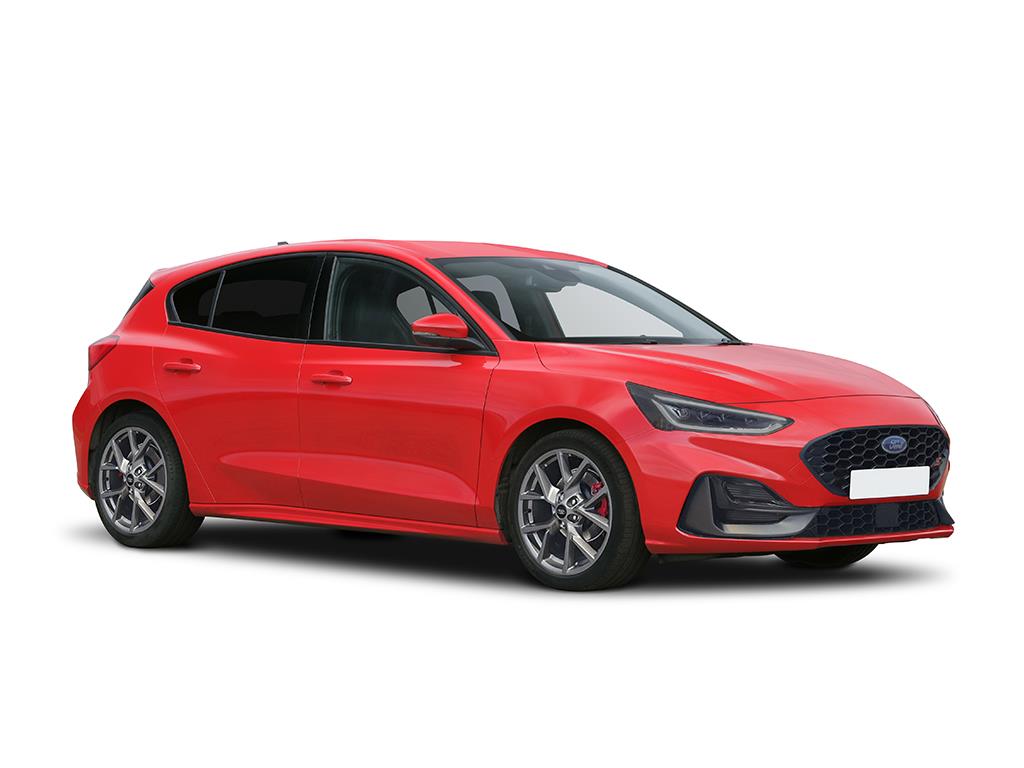
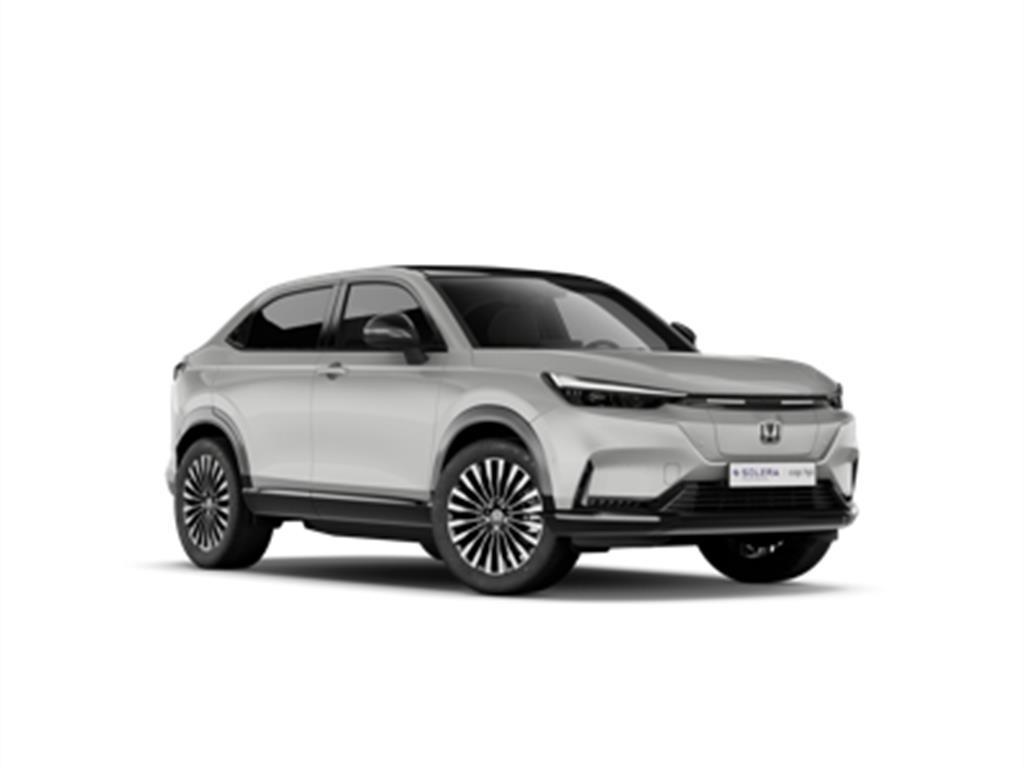
Nissan Navara Pickup 2.5 DCi Platinum Double CabFrom
£199.99
per month
Click each thumbnail for more information
Unless otherwise stated all car leasing and van leasing examples are based on an initial payment per vehicle, followed by 35 monthly payments. Mileage 10,000 per annum; non-maintained. All Business User rentals are plus VAT. All Personal User rentals include VAT. All offers are subject to status and a credit acceptance fee. If example refers to a Finance Lease, then a residual payment may be applicable (Please contact us for details). All photographic images are for illustration purposes only and may not depict the relevant model. Alternative models and contract periods available. E & OE.
Resources
How does car and van leasing work?
Essentially, you pay an agreed sum by way of monthly instalments over an agreed period (typically two to four years), but do not actually own the car or van. At the end of the term, you simply hand the vehicle back; take out a new lease (usually on a new vehicle); or pay an agreed sum to purchase the vehicle that you have been leasing. Depending on the terms of contract, you may be required to put down a deposit at the start of the lease or make a lump sum payment at the end.
Leasing has many advantages: not only does it provide tax incentives for businesses but it allows a vehicle`s projected depreciation to be managed over a fixed term. It also provides you with freedom from the negotiation of part-exchange prices and allows you to regularly change your vehicle for a new one, whilst avoiding the maintenance costs associated with running an older car or van.
What else do I need to know?
Your contract with the leasing company may (or may not) include road fund tax, roadside assistance, and the servicing, maintenance, delivery and collection of the vehicle. Your responsibilities will include keeping within a pre-agreed annual mileage limit of 10,000-40,000 miles (over and above which an excess mileage charge will apply) and keeping the vehicle in good condition and in a good state of repair.
Insurance for lease cars
If you take out a car leasing agreement you will need to ensure that you have suitable car insurance cover in place. As the lease company is the registered owner of the vehicle, it is within its rights to require that you take out fully comprehensive cover so that the vehicle is adequately protected against theft and damage. When obtaining insurance you will need to make the insurance company aware that you are the registered keeper of the vehicle but not the registered owner.
Because you only pay the difference between the retail price and residual value for the length of the contract, leasing can give you access to a car that would otherwise be out of your price range. This makes it an attractive finance option for young drivers. However young driver car insurance premiums are notoriously expensive, particularly for comprehensive cover, therefore young drivers should stick to lease cars with low insurance groups and small engines if they want their premiums to affordable
Close the Resources